





Buying an emergency kit? Smartly assemble your own emergency kit
Buying an emergency kit has suddenly become relevant for many people. Whether it’s a power outage, extreme weather or concerns about an emergency/war scenario: being prepared brings peace of mind. But which emergency kit do you really need? And what should be in an emergency kit without ending up with an expensive box full of unnecessary items?
At Foods & Goods you don’t choose standard packages, you assemble the contents of your emergency kit yourself. That’s smarter, more cost-effective and above all more practical. You buy exactly what fits your situation, whether you have a family or, as an SME owner, are responsible for employees on the work floor.
What should be in an emergency kit?
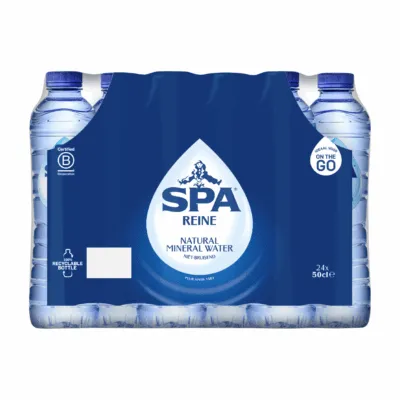
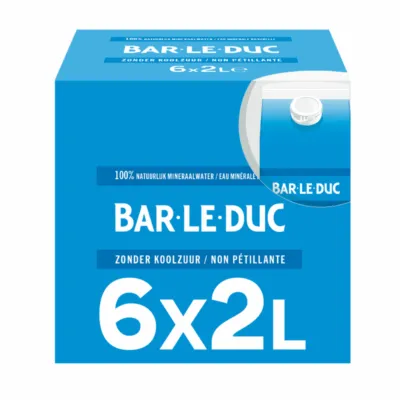
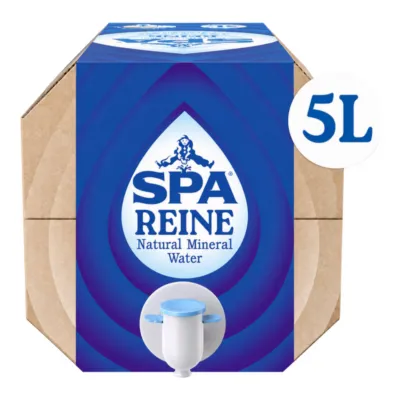
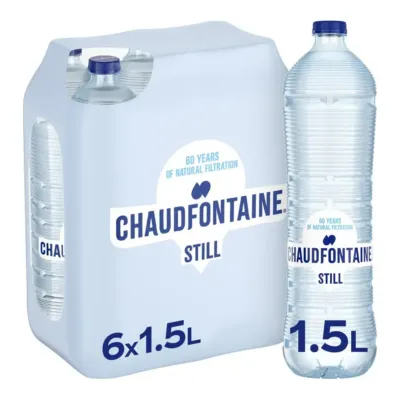
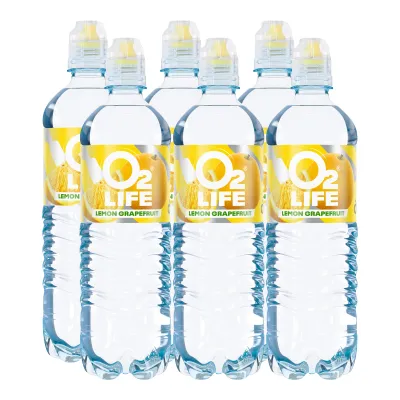
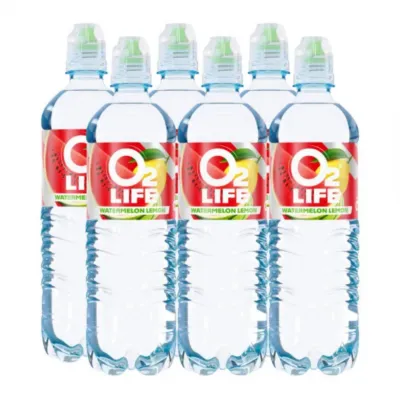
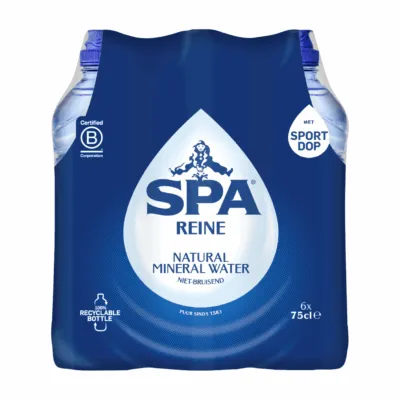
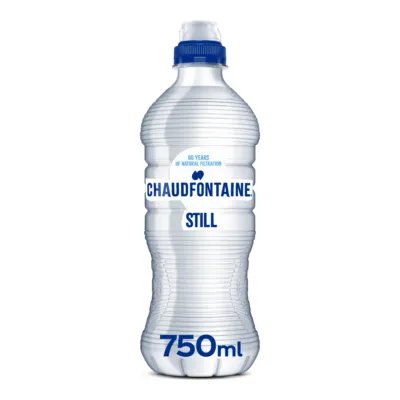
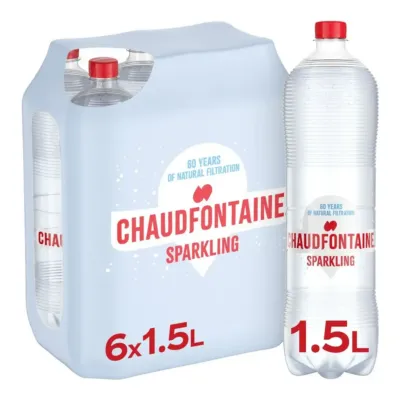
The most frequently asked question is logical: what should be in an emergency kit? The basics always revolve around three things: water, food and essential supplies. Water is priority number one. Without water you simply can’t manage. In our water category you’ll find bottles in various sizes, ideal for building a stock at home or at the office. The general guideline is at least two litres per person per day.
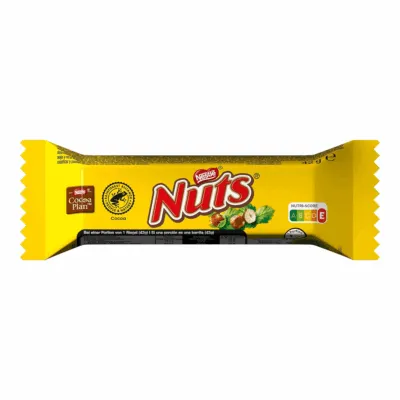
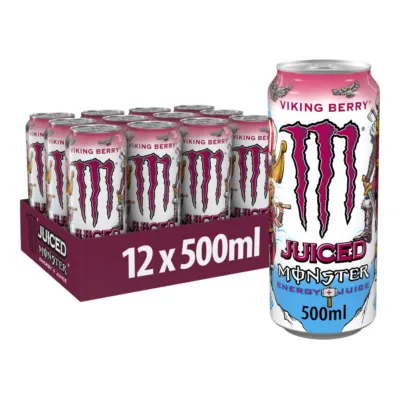
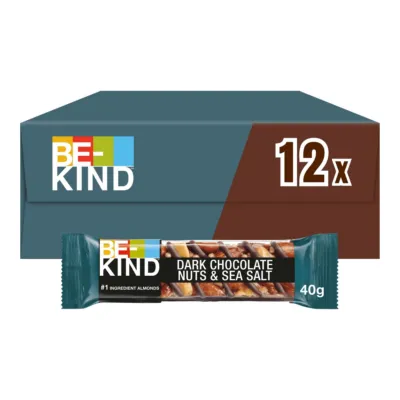
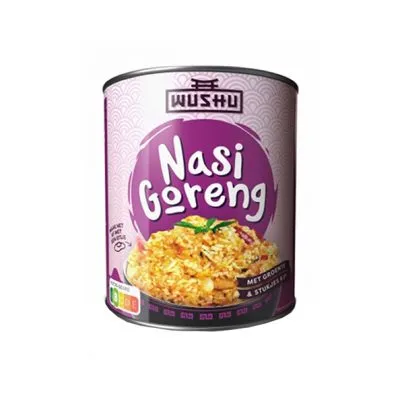
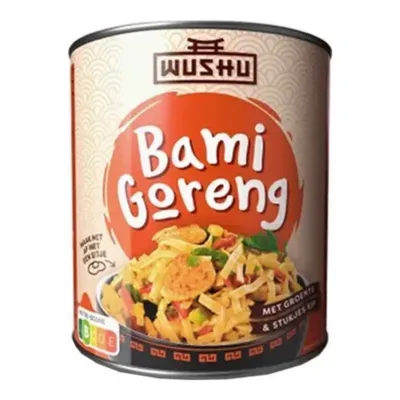
Next comes long-lasting food. Think of products with a long shelf life and minimal preparation. In our meal products selection you’ll find practical options that fit perfectly in an emergency kit. Also, soups are ideal: long-lasting, nutritious and quick to prepare. If you want extra energy or something easy for in between, snacks are a smart addition.
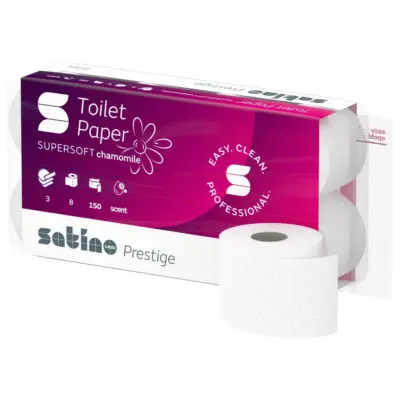
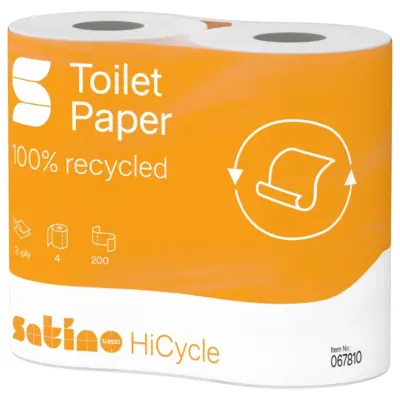
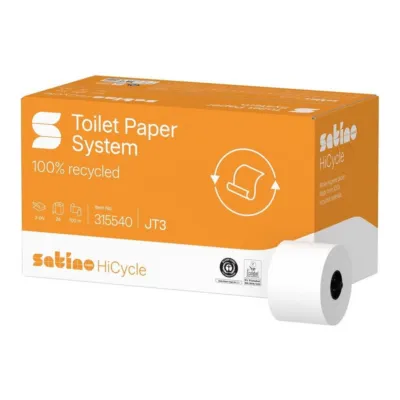
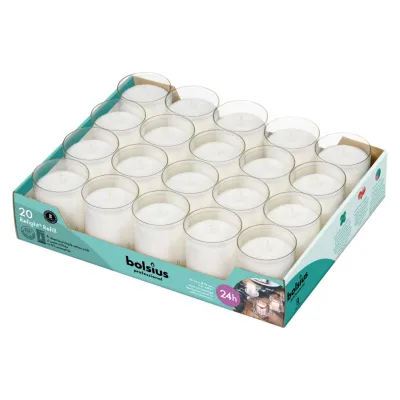
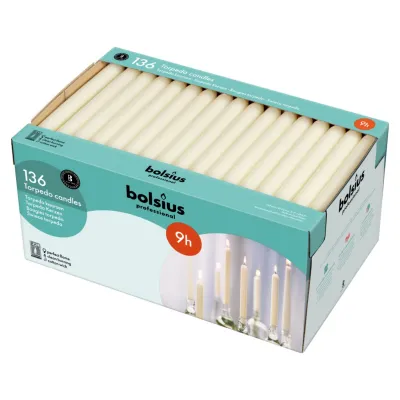
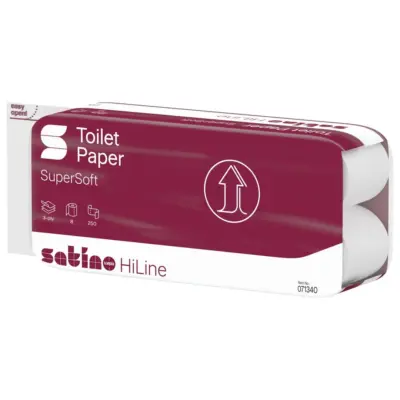
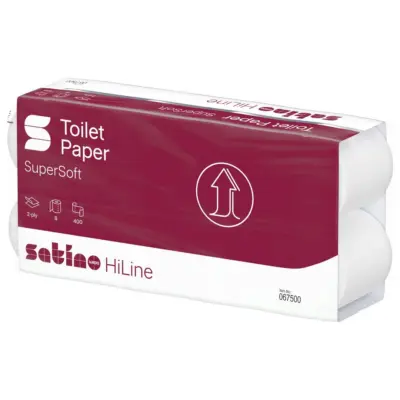
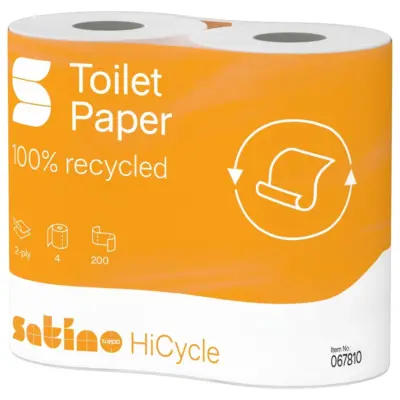
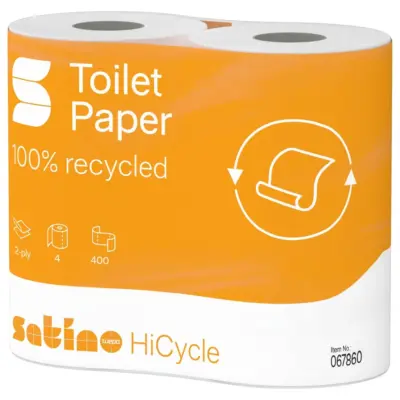
A good emergency kit also contains non-food essentials. Think of extra batteries for torches or radios, and enough toilet rolls for hygiene. These may not be spectacular products, but these basics make the difference when services temporarily fail.
Emergency kit for war or crisis: why arranging it now is smart
Because of wars, cyberattacks, extreme weather and power outages, people have become more aware of risks. That doesn’t mean you should go overboard with extreme survival gear. It’s about thinking ahead sensibly. A power failure of a few days, delivery problems or closed roads can already have a big impact. For private households an emergency kit provides certainty. You know your family can manage for a few days without panic.
For SMEs another factor plays a role: responsibility. Employees expect basic provisions to be arranged if something happens. By buying smartly and choosing the contents of your emergency kit yourself, you ensure continuity without unnecessary costs.
Deciding the contents of your emergency kit yourself is smarter
Many ready-made kits are either too limited or filled with items you’ll never use. You also often pay extra for packaging and marketing. By buying and assembling your emergency kit yourself, you keep control over quality, shelf life and budget. You determine the quantities yourself. A single-person household needs less than a family of five. An office with twenty employees requires a different approach than a self-employed person working from home. That flexibility makes the difference.
As a wholesaler we supply quickly and at sharp prices to both consumers and businesses. That way you can immediately stock up sufficiently without it becoming unnecessarily expensive.
Ready to assemble your emergency kit?
Don’t wait until something actually happens. It’s best to buy an emergency kit at a calm moment so you can make well-considered choices. Start with water, add long-lasting meals and soups, supplement with snacks and ensure you have batteries and hygiene products. Browse the range and assemble your ideal emergency kit today. Start assembling your emergency kit now and make sure you’re prepared.
FAQ – Frequently asked questions about emergency kits
What should be minimally included in an emergency kit?
Water, long-lasting food, hygiene products and basic items like batteries. That will let you bridge at least a few days.
How much water do I need in an emergency kit?
Calculate roughly two litres per person per day for drinking and basic use.
What is the right emergency kit content for war or crisis?
Focus on drinking water, long-lasting meals, simple preparation and practical essentials. No luxuries, but functional items.
Is an emergency kit only for private households?
Definitely not. Especially SMEs do well to stock up an emergency supply for employees.
Why not buy a ready-made emergency kit?
Because every situation is different. Assembling it yourself is more economical and better tailored to your needs.