
Is liquorice good for you?
20 augustus 2025
Is liquorice good for you?
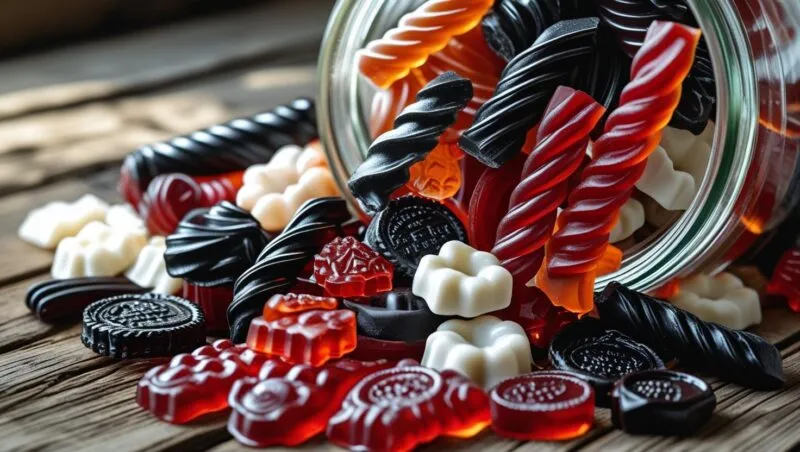
Liquorice contains liquorice root, which naturally has antioxidants and was traditionally used in herbal medicine. Still, this liquorice is not “healthy”. Due to the high sugar content and the presence of glycyrrhizin, eating too much liquorice can raise your blood pressure and strain your heart. An occasional small handful of liquorice fits fine in a varied diet, but daily large amounts are not recommended.
How much liquorice may you eat per day?
The Voedingscentrum and EFSA (European Food Safety Authority) advise not to eat more than 50 grams of liquorice per day. That’s about a small handful. At that amount the intake of glycyrrhizin remains within safe limits. If you regularly eat more, your blood pressure can rise and your body may retain more fluid. People with heart or vascular diseases should be especially careful.
What does a lot of liquorice do to your body?
People who eat a lot of liquorice may experience headaches, fatigue, high blood pressure and sometimes even heart rhythm disturbances. This is because glycyrrhizin disturbs the balance of potassium and sodium in your body. In addition, you consume a lot of sugar, which affects your weight and teeth. A few pieces of liquorice are harmless, but a bag a day can be harmful.
Is liquorice bad for your health?
Liquorice is not ‘bad’ per se, but the amount makes the difference. A few pieces of liquorice per week is no problem and can even be a nostalgic treat. But eating large portions daily risks health problems. Especially salty liquorice with salmiak can be extra taxing because of the high salt content. It’s therefore wise to moderate your consumption.
What does liquorice do to the human body?
Liquorice affects your body in several ways. The liquorice extract can raise your blood pressure, the sugar causes a spike in your blood sugar, and long‑term high consumption can lower your potassium level. This can lead to muscle weakness or fatigue. For healthy adults small amounts of liquorice are not a problem, but people with high blood pressure, heart problems or kidney issues should be cautious.