
Impregnated vs. Non-Impregnated Dust Wipes
Dust cloths are essential tools for maintaining a clean living environment. In this blog we dive deeper into impregnated and non-impregnated dust cloths, their benefits and how to use them optimally for thorough cleaning.
Contents
- What are impregnated dust cloths?
- What are non-impregnated dust cloths?
- What are the differences?
- Which type of dust cloth suits you best?
- How to use dust cloths effectively?
- Care for dust cloths for optimal performance
- Conclusion
What Are Impregnated Dust Cloths?
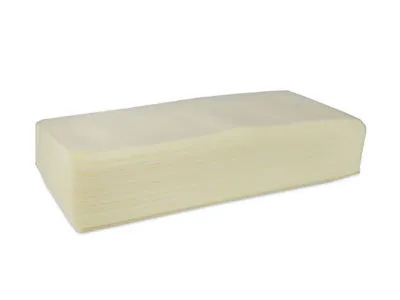
Impregnated dust cloths are cloths treated with special cleaning agents, including mineral oil, for extra shine and effective dust removal during cleaning. These dust cloths are impregnated with chemicals, oils and other liquids that attract dust and hold it to the cloth’s surface. This enables them to remove dust and dirt much more effectively than ordinary dust cloths.
Deze geïmpregneerde stofwisdoeken worden vaak gebruikt voor het schoonmaken en onderhouden van oppervlakken die snel stof verzamelen, zoals houten meubels, planken, elektronica en beeldschermen. Bovendien kunnen ze antistatische eigenschappen hebben, waardoor voorkomen wordt dat stof zich opnieuw op het gereinigde oppervlak nestelt. Dit maakt geïmpregneerde stofwisdoeken een handige keuze voor een grondige en langdurige reiniging van verschillende oppervlakken in huis.
-

Dust cloth Basic Yellow 60x25cm (50x 40gr)
€7,79 incl. btw
What Are Non-impregnated Dust Cloths?
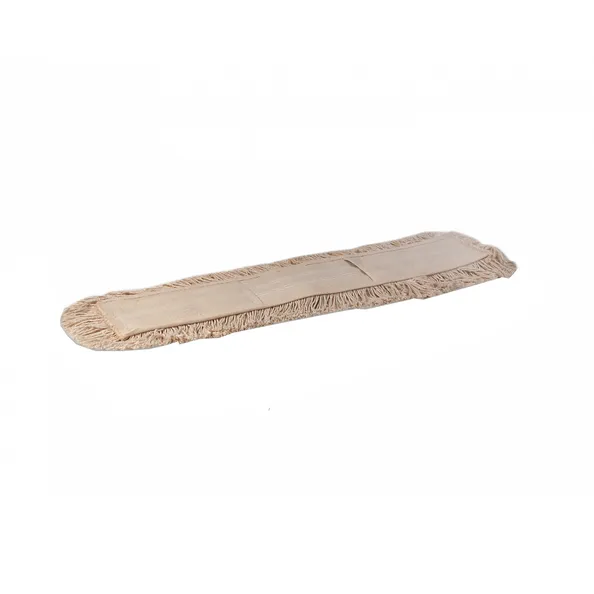
Non-impregnated dust cloths are regular cloths without special cleaning agents. They rely on their structure to pick up dust and dirt. Unlike impregnated dust cloths they contain no added chemicals. These cloths are mainly intended for general dust removal and may be less effective at holding dust particles than impregnated variants. They are suitable for daily dusting tasks like dusting bookshelves, tables and other surfaces. The good news is they leave no residue on cleaned surfaces.
-

Weco Mop Cover (60cm)
€12,89 incl. btw
What Are the Differences?
- Cleaning power: Impregnated dust cloths generally have greater cleaning power because they can hold dust and dirt more effectively thanks to the added cleaning agents, including mineral oil. Non-impregnated cloths rely mainly on their texture.
- Specific applications: Impregnated dust cloths are ideal for surfaces that are sensitive to dust and allergens, while non-impregnated cloths are better suited for general dust removal.
- Use of chemicals: Impregnated cloths often contain chemicals and oils, which can contribute to a deeper clean. Non-impregnated cloths are chemical-free and may be preferred if you’re looking for a natural cleaning method.
- Cost: Generally, non-impregnated dust cloths are often cheaper than our impregnated variants, making them a more cost-effective option for daily cleaning tasks.
- Environmental friendliness: Non-impregnated cloths can be more environmentally friendly because they contain no chemicals. Our impregnated cloths are, however, reusable, reducing the need for disposable products.
- Maintenance: Our impregnated cloths sometimes require specific maintenance to preserve the effectiveness of the cleaning agents, including mineral oil. Non-impregnated cloths usually have simpler care requirements.

Which Type of Dust Cloth Suits You Best?
When it comes to choosing the right type of dust cloth, it can be confusing given the variety of options on the market. To make the best choice for your specific cleaning needs and preferences, it’s important to understand which type suits you best. Here are some considerations to help with that decision:
- Cleaning power: Consider how deep you want to clean. If you’re looking for maximum cleaning power and removal of dust and allergens from surfaces, impregnated dust cloths are an excellent choice. They are designed to hold dust effectively thanks to the added cleaning agents.
- Specific applications: Think about which surfaces you clean most often. Impregnated dust cloths are ideal for surfaces that collect dust quickly, like electronics, screens, and wooden furniture. Non-impregnated cloths are better suited for general dust removal.
- Use of chemicals: Consider your preference regarding chemicals. Impregnated cloths often contain cleaning chemicals, which can contribute to a more thorough clean. If you prefer a natural cleaning method, non-impregnated cloths may be the better choice.
- Cost: Check your budget. Generally, non-impregnated dust cloths are more affordable than impregnated variants, making them a more cost-effective option for daily cleaning tasks.
- Environmental friendliness: Consider environmental impact. Non-impregnated cloths can be more eco-friendly because they contain no chemicals and are reusable. This reduces the need for disposable products.
- Maintenance: Consider which type matches your maintenance preferences. Impregnated cloths sometimes require specific care to maintain the effectiveness of the cleaning agents, while non-impregnated cloths are generally easier to maintain.
When choosing dust cloths, it’s important to consider material, dimensions and the specific needs of your household.

How to Use Dust Cloths Effectively?
Okay, you’ve chosen your favourite dust cloths, but how do you actually use them best? Let’s look at some handy tips to make that dusty mission a success.
- Vacuum first, then wipe: Start with a thorough vacuuming before using the dust cloth. Dust cloths are great for the finishing touch, but they work even better after larger particles are removed.
- Light touch is key: Don’t press too hard with your dust cloth. Let it glide lightly over the surface for optimal results. Pressing too hard risks sending dust particles back into the air.
- Avoid wet adventures: Don’t use dust cloths on wet or damp surfaces. They are designed for dry dust removal.
- One cloth, two sides: Dust cloths are reusable. Use both sides before sending them to the laundry.
- Be careful with fragile items: Avoid using dust cloths on delicate objects that can be easily damaged.
- Mind the direction: Always start at the top and work downwards. This prevents dust from settling back on already cleaned surfaces.
- Quick, short strokes: Use quick, short wiping motions for efficient dust removal.
Want a visual demonstration of these tips? Watch this video about using dust cloths effectively. With these tips you’ll become a master at fighting dust!

Care for Dust Cloths for Long-lasting Use
Now that you’re a master at using dust cloths effectively, let’s talk about how to keep them in top condition for long-lasting use. Because honestly, who wants to keep buying new dust cloths when we can care for and reuse them?
For Non-impregnated Dust Cloths:
- Shake out first: After each use it’s a good idea to shake your non-impregnated dust cloth outside. This removes most of the captured dust and gets the cloth ready for the next mission.
- Wash with care: When non-impregnated dust cloths start to look dirty, it’s time for a wash. Always follow the care instructions on the label to extend the life of your cloths.
- Replace when needed: Even with loving care non-impregnated dust cloths don’t last forever. If they become worn, torn or irreparably soiled, it’s time to retire them and welcome a new hero into the house.
- Store dust-free: Keep your clean dust cloths in a dust-free place, preferably in a closed cupboard or drawer. This prevents them from picking up dust while waiting for their next use.
With these tips you’ll ensure both your impregnated and non-impregnated dust cloths remain your trusty allies in the fight against dust and dirt. So shake them out, wash them with care, and give them a chance to continue their mission. Together toward a long-lasting dust-free future!

Conclusion
There you have it, our dive into the world of dust cloths, both impregnated and non-impregnated. We’ve learned they each have their own strengths when it comes to fighting dust. Impregnated dust cloths are like the high-tech heroes that easily defeat dust and dirt, while non-impregnated dust cloths are the reliable sidekicks for everyday general cleaning tasks.
Curious about our range of dust cloths? Discover all available options in our category ‘Dust Cloths’. Click here to go to the category and find the perfect dust cloth for you.
Whatever you choose, the tips for effective use and maintenance will keep them in top condition. And let’s not forget they help us maintain a clean, healthy living environment. Whether you see your impregnated dust cloth as a fearless hero or your non-impregnated cloth as a trusty partner, they both stand by your side to defeat dust and dirt.
Let’s continue our mission to keep a dust-free home. Choose your dust cloth carefully, handle it precisely and enjoy a sparkling clean environment. And as every adventure has a continuation, let’s look to the future with the promise of a dust-free home.